
Inle Lake Travel Guide
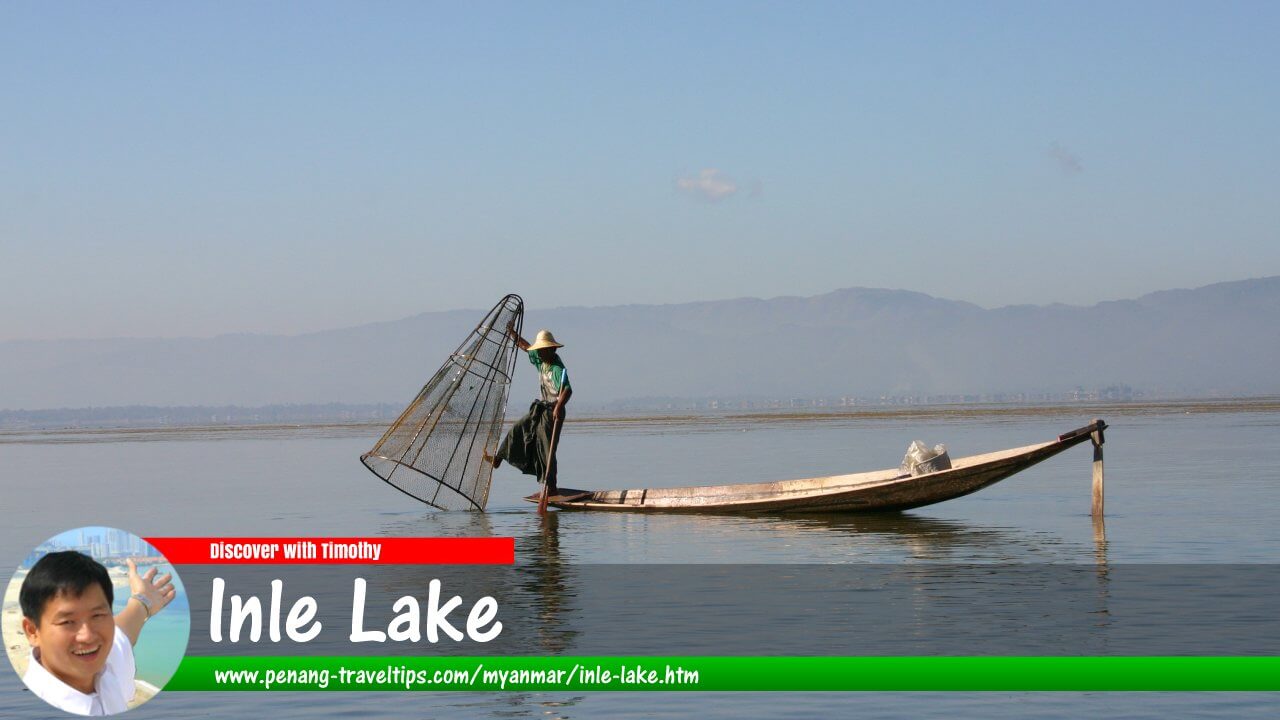 Inle Lake (21 November 2003)
Also available: Inle Lake (Malay Edition)
Introduction to Inle Lake
Inle Lake (အင်းလေး) is one of Myanmar's most iconic travel destinations, celebrated for its breathtaking scenery, unique lake communities and centuries-old traditions. Situated in the Shan Highlands of eastern Myanmar, the lake is famous for its floating villages, distinctive leg-rowing fishermen, floating gardens and rich cultural heritage.
Unlike the ancient temples of Bagan or the royal monuments of Mandalay, Inle Lake offers visitors a chance to experience a way of life that has developed in harmony with the water. Much of daily life takes place on the lake itself, where people travel by boat, cultivate floating farms, fish using traditional methods and practise crafts that have been passed down through generations.
The lake is not only one of Myanmar's most picturesque destinations but also one of its most culturally significant, making it a highlight of many itineraries through the country.
The Meaning of the Name Inle
The name Inle is generally understood to mean "four villages" in the Burmese language, referring to the four original settlements that once stood along the shores of the lake. Over time, these small communities expanded into numerous villages inhabited by different ethnic groups, while the historic name remained.
Today, Inle Lake is home to dozens of villages built either along the shoreline or on stilts above the water, each contributing to the unique character of the region.
Location of Inle Lake
Inle Lake lies in southern Shan State at an elevation of approximately 880 metres (2,890 feet) above sea level. Surrounded by mountains and fertile valleys, the lake enjoys a cooler and more pleasant climate than much of central Myanmar.
The main gateway to Inle Lake is the town of Nyaung Shwe, located at the northern end of the lake. Most visitors stay in Nyaung Shwe before exploring the lake by boat or travelling onward to other destinations in Shan State.
Nearby attractions include Kalaw, Heho and numerous traditional villages scattered throughout the surrounding countryside.
The Intha People
The people most closely associated with Inle Lake are the Intha, whose name means "sons of the lake." According to tradition, their ancestors migrated from other parts of Myanmar centuries ago and gradually adapted to life on the water.
The Intha are renowned for their remarkable one-legged rowing technique, in which boatmen stand at the stern of a narrow wooden boat and wrap one leg around the oar while balancing on the other. This unique method allows them to see over reeds and floating vegetation while keeping both hands free for fishing.
Although the famous leg-rowing fishermen have become an international symbol of Inle Lake, they represent just one aspect of a much broader lake culture that continues to thrive today.
A Living Lake Community
Life around Inle Lake revolves around the water.
Visitors will encounter:
- Villages built on wooden stilts above the lake.
- Floating vegetable gardens anchored to the lake bed.
- Local markets visited by boat.
- Traditional fishermen using time-honoured techniques.
- Family workshops producing textiles, silverware, cigars and other handicrafts.
Rather than functioning as an open-air museum, Inle Lake remains a living community where residents continue their daily routines much as their ancestors did, while adapting to the opportunities and challenges of modern life.
Why Visit Inle Lake?
Inle Lake offers a travel experience unlike anywhere else in Myanmar.
Visitors come here to:
- Cruise through one of Southeast Asia's most beautiful freshwater lakes.
- Observe the famous Intha leg-rowing fishermen.
- Visit floating villages and gardens.
- Discover traditional Shan and Intha culture.
- Explore local workshops producing silk, lotus fibre textiles, silverware and cheroot cigars.
- Enjoy peaceful scenery surrounded by the mountains of Shan State.
For many travellers, Inle Lake offers the perfect balance between natural beauty, cultural discovery and relaxed exploration.
Inle Lake as Part of a Myanmar Itinerary
Inle Lake is often visited after Kalaw, either by road or via the famous multi-day trek that connects the two destinations through the hills and villages of Shan State.
It is also commonly included in itineraries that combine Yangon, Bagan, Mandalay and Kalaw, providing visitors with a diverse introduction to Myanmar's landscapes, history and cultures.
Whether arriving after a rewarding trek or by a leisurely drive through the Shan Highlands, many travellers find that Inle Lake provides one of the most memorable experiences of their journey through Myanmar.
History and Development of Inle Lake
The history of Inle Lake (အင်းလေး) is closely tied to the people who have lived on and around its waters for centuries. Unlike the royal capitals of Bagan and Mandalay, Inle Lake did not develop as a political or religious centre. Instead, its history is one of adaptation, where communities learned to make the most of a unique freshwater environment in the Shan Highlands.
Today, the lake remains one of Myanmar's best-preserved cultural landscapes, where traditional lifestyles continue alongside modern tourism.
Early Settlement Around the Lake
Archaeological and historical evidence suggests that the Inle Lake region has been inhabited for many centuries. The fertile valleys, abundant freshwater and favourable climate made the area suitable for farming, fishing and settlement.
Over time, different ethnic communities established villages around the lake, each contributing to the cultural diversity that characterises the region today.
The Intha People
The ethnic group most closely associated with Inle Lake is the Intha. According to local tradition, their ancestors migrated from southern Myanmar several centuries ago before settling around the lake.
As they adapted to their new environment, the Intha developed a distinctive way of life centred on the water. They built houses on stilts, travelled almost exclusively by boat and cultivated floating gardens that remain one of the lake's defining features.
Their famous one-legged rowing technique also evolved as a practical solution for navigating through reeds while fishing.
A Multi-Ethnic Region
Although the Intha are the best-known inhabitants of the lake, Inle Lake is also home to several other ethnic communities, including the Shan, Pa-O, Danu and Taungyo peoples.
Each community has its own traditions, clothing, cuisine and handicrafts, contributing to the rich cultural heritage of the region.
Many villages around the lake continue to preserve customs that have been passed down through generations, giving visitors an opportunity to experience Myanmar's ethnic diversity in a relatively small area.
Floating Villages and Floating Gardens
One of the most remarkable developments in the history of Inle Lake was the creation of floating gardens.
Instead of relying solely on farmland along the shore, local farmers developed an ingenious method of growing crops on floating beds made from water plants, mud and organic material. These floating gardens are anchored to the lake bed with bamboo poles, allowing them to rise and fall with changing water levels.
The system has enabled generations of farmers to cultivate tomatoes, cucumbers, gourds and other vegetables, many of which are supplied to markets throughout Myanmar.
Traditional Crafts
The communities around Inle Lake also became well known for their traditional crafts, many of which continue to be practised today.
These include:
- Lotus fibre weaving.
- Silk weaving.
- Silversmithing.
- Traditional cheroot cigar making.
- Boat building.
Many workshops welcome visitors, allowing travellers to observe artisans using techniques that have been handed down over many generations.
Religious Heritage
Buddhism has long played an important role in the lives of the people of Inle Lake.
Numerous monasteries, pagodas and village shrines are found throughout the lake region. Among the most important is Phaung Daw Oo Pagoda, one of Shan State's most revered Buddhist pilgrimage sites.
Religion continues to shape many aspects of community life, with festivals and ceremonies remaining important annual events.
Inle Lake and Tourism
During the twentieth century, Inle Lake gradually became recognised as one of Myanmar's most attractive travel destinations.
Its combination of spectacular scenery, unique traditions and peaceful atmosphere drew increasing numbers of both domestic and international visitors.
Boat tours became the most popular way to explore the lake, allowing visitors to travel between villages, monasteries, workshops and floating gardens while observing daily life on the water.
Conservation and Sustainable Tourism
In recent decades, greater attention has been given to protecting Inle Lake's fragile ecosystem and cultural heritage.
The lake supports a wide variety of wildlife and provides livelihoods for thousands of residents. Recognising its ecological importance, the Inle Lake region was designated a UNESCO Biosphere Reserve in 2015.
Today, conservation efforts focus on balancing tourism with environmental protection, helping to preserve both the lake's natural beauty and its traditional way of life for future generations.
Inle Lake Today
Modern Inle Lake successfully combines tradition with tourism. While visitors come to admire the famous fishermen and floating gardens, the lake remains a living community where families continue to fish, farm, worship and produce traditional handicrafts.
This blend of natural beauty, cultural diversity and living heritage makes Inle Lake one of the most rewarding destinations in Myanmar and a highlight of any journey through Shan State.
Geography, Climate and Best Time to Visit Inle Lake
Inle Lake (အင်းလေး) is one of Myanmar's largest freshwater lakes and one of its most remarkable natural landscapes. Situated in the Shan Highlands at an elevation of approximately 880 metres (2,890 feet) above sea level, the lake enjoys a cooler climate than much of central Myanmar, making it a pleasant destination throughout much of the year.
Surrounded by rolling hills, fertile valleys and traditional villages, Inle Lake offers visitors a unique combination of scenic beauty, biodiversity and cultural heritage. Its tranquil waters and mountain backdrop create one of the country's most recognisable landscapes.
Geography of Inle Lake
Inle Lake stretches for approximately 22 kilometres (14 miles) from north to south and is generally between 10 and 11 kilometres (6 to 7 miles) wide, although the width varies in different areas.
Unlike many lakes, Inle is not simply open water. It is an intricate landscape of waterways, floating gardens, marshes, villages built on stilts and narrow canals connecting different communities.
The lake is fed by numerous small streams flowing from the surrounding mountains, while its waters eventually drain southwards through the Bilu River.
A Unique Freshwater Ecosystem
Inle Lake supports one of Myanmar's most important freshwater ecosystems. The lake provides habitats for numerous species of fish, birds and aquatic plants, many of which are found only in this region.
Its floating gardens, wetlands and reed beds not only support local agriculture but also provide shelter for wildlife, making the lake ecologically significant as well as visually beautiful.
Because of its environmental importance, visitors are encouraged to help preserve the lake by travelling responsibly and avoiding activities that may contribute to pollution.
The Floating Gardens
One of Inle Lake's most distinctive geographical features is its floating gardens.
Instead of planting crops on conventional farmland, local farmers cultivate vegetables on floating beds made from aquatic vegetation, mud and organic material. These gardens are anchored with bamboo poles, allowing them to rise and fall naturally with changes in the lake's water level.
The floating gardens produce large quantities of tomatoes and other vegetables that are distributed throughout Myanmar, demonstrating the ingenuity of the communities that have adapted to life on the lake.
Climate of Inle Lake
Thanks to its highland location, Inle Lake enjoys a relatively mild climate throughout the year.
Days are generally pleasant, while mornings and evenings—particularly during the cooler months—can be surprisingly chilly. Travellers from tropical lowland regions may appreciate bringing a light jacket, especially when taking early morning boat trips.
Cool Dry Season (November to February)
This is widely regarded as the best time to visit Inle Lake.
During these months, visitors can expect:
- Comfortable daytime temperatures.
- Cool mornings and evenings.
- Minimal rainfall.
- Excellent conditions for boat tours and sightseeing.
- Clear views of the surrounding mountains.
The pleasant weather also makes this the busiest travel season.
Hot Season (March to May)
Although temperatures rise during these months, Inle Lake generally remains cooler than many parts of central Myanmar because of its elevation.
Boat excursions are still enjoyable, although midday can become warm. Early morning and late afternoon remain the most comfortable times for outdoor activities.
Rainy Season (June to October)
The southwest monsoon brings regular rainfall to the Shan Highlands.
During this period:
- The surrounding countryside becomes lush and green.
- The floating gardens flourish.
- Visitor numbers are generally lower.
- Rain showers may occasionally interrupt sightseeing.
Travellers visiting during the rainy season should bring waterproof clothing and allow greater flexibility in their travel plans.
Best Time for Photography
Photographers will find Inle Lake rewarding throughout the year, but the most favourable conditions are often during the cool dry season.
Early mornings are especially memorable, when mist rises gently from the water and fishermen begin their daily work against the backdrop of the surrounding mountains.
Late afternoon also provides excellent lighting, particularly for photographing villages, floating gardens and traditional wooden boats.
Best Time for Boat Tours
Boat excursions are the highlight of most visits to Inle Lake and can be enjoyed throughout the year.
However, calmer weather during the dry season generally provides smoother journeys and clearer views across the lake.
Morning departures are particularly recommended because temperatures are cooler and the lake is often at its most peaceful.
What to Pack for Inle Lake
Visitors should prepare for changing temperatures throughout the day by bringing:
- A light jacket or sweater for early mornings and evenings.
- Comfortable walking shoes.
- A hat and sunscreen.
- Sunglasses for boat trips.
- A waterproof jacket or umbrella during the rainy season.
- A dry bag or waterproof cover to protect cameras and electronic devices while travelling by boat.
Choosing the Right Season
Every season offers a different perspective of Inle Lake.
- November to February: Cool weather, clear skies and the best overall sightseeing conditions.
- March to May: Warmer temperatures but generally pleasant because of the lake's elevation.
- June to October: Verdant landscapes, fewer visitors and a quieter atmosphere, although rain is more frequent.
Regardless of the season, Inle Lake remains one of Myanmar's most enchanting destinations, offering visitors an unforgettable combination of natural beauty, traditional culture and peaceful lakeside scenery.
How to Get to Inle Lake and Getting Around
Inle Lake (အင်းလေး) is located in southern Shan State and is easily accessible from Myanmar's major tourist destinations. Although the lake itself has no airport or railway station, a combination of domestic flights and road transport makes it relatively straightforward to reach.
The gateway to Inle Lake is the town of Nyaung Shwe, situated at the northern end of the lake. Most visitors stay in Nyaung Shwe before exploring the lake by boat or continuing their journey to other parts of Shan State.
Getting to Inle Lake by Air
The nearest airport is Heho Airport, located approximately 35 kilometres (22 miles) west of Nyaung Shwe.
Domestic flights connect Heho with several major cities, including:
- Yangon.
- Mandalay.
- Bagan (Nyaung U Airport), depending on airline schedules.
From Heho Airport, travellers can continue to Nyaung Shwe by taxi, private transfer or transport arranged by their hotel. The journey usually takes around one hour.
Travelling from Yangon
Most international visitors begin their Myanmar journey in Yangon.
The fastest way to reach Inle Lake is to take a domestic flight from Yangon to Heho Airport, followed by a road transfer to Nyaung Shwe.
Long-distance buses also operate between Yangon and Nyaung Shwe, but the journey is considerably longer and is generally chosen by budget travellers or those with more flexible schedules.
Travelling from Mandalay
Many travellers visit Inle Lake after exploring Mandalay.
Options include:
- Domestic flight to Heho Airport.
- Private car with driver.
- Long-distance coach services.
The road journey passes through scenic parts of Shan State and can be an enjoyable option for travellers who wish to see more of the countryside.
Travelling from Bagan
Inle Lake is frequently combined with Bagan in the same itinerary.
Depending on airline schedules, travellers may be able to fly from Bagan to Heho. Alternatively, they can travel by coach or private vehicle, although overland journeys require significantly more travelling time.
Travelling from Kalaw
Kalaw is one of the closest major destinations to Inle Lake and the two are often visited together.
Travellers can reach Nyaung Shwe from Kalaw by:
- Private car or taxi.
- Shared transport services.
- Public buses.
- The famous multi-day trekking route.
The trek from Kalaw to Inle Lake is regarded as one of Myanmar's finest walking experiences, passing through mountains, farmland and ethnic villages before reaching the lake.
Nyaung Shwe — The Gateway to Inle Lake
Although many people refer simply to "visiting Inle Lake", most travellers actually base themselves in Nyaung Shwe.
This lively lakeside town offers:
- Hotels and guesthouses.
- Restaurants and cafés.
- Travel agencies.
- Bicycle rental.
- Banks and ATMs.
- Boat hire for exploring the lake.
Its convenient location and good range of visitor facilities make Nyaung Shwe the ideal base for exploring the surrounding area.
Exploring Inle Lake by Boat
The traditional long-tail boat is the primary means of transport on Inle Lake.
Most visitors hire a boat, either privately or as part of a small group tour, to visit the lake's attractions.
Typical boat itineraries include:
- Floating villages.
- Floating gardens.
- Phaung Daw Oo Pagoda.
- Traditional craft workshops.
- Nga Phe Kyaung Monastery.
- Indein Pagodas.
A full-day boat excursion is the best way to appreciate the lake's scenery and observe daily life on the water.
Getting Around Nyaung Shwe
Nyaung Shwe itself is compact and easy to explore.
Visitors can comfortably travel around the town by:
- Walking.
- Cycling.
- Taxi.
- Electric scooters, where available.
Cycling is particularly popular, allowing visitors to explore nearby villages, vineyards and countryside at a leisurely pace.
Accessibility Considerations
Boat travel is an essential part of visiting Inle Lake. Travellers should be aware that boarding and disembarking from traditional wooden boats may require stepping over narrow edges or uneven jetties.
Older visitors and those with limited mobility can still enjoy the lake, but they may benefit from:
- Choosing hotels with easy access.
- Requesting assistance when boarding boats.
- Using private rather than shared boat tours for greater flexibility.
- Allowing extra time for sightseeing.
Travel Tips
- Arrange airport transfers in advance, especially during the peak travel season.
- Start boat excursions early in the morning for cooler temperatures and calmer waters.
- Carry cash, as smaller villages may not accept electronic payments.
- Protect cameras and electronic devices from water spray during boat journeys.
- Wear a hat and sunscreen, as there is limited shade during long boat trips.
Exploring Beyond the Lake
Inle Lake also serves as an excellent base for discovering other attractions in southern Shan State.
From Nyaung Shwe, visitors can easily combine their stay with excursions to nearby villages, wineries, monasteries and the surrounding countryside, making the lake one of Myanmar's most rewarding destinations for both relaxation and exploration.
Accommodation, Food and Halal Guide
Inle Lake (အင်းလေး) offers one of Myanmar's widest selections of accommodation outside Yangon and Mandalay. Whether you are looking for a budget guesthouse, a comfortable boutique hotel or a luxury lakeside resort, you will find options to suit a variety of travel styles and budgets.
Most visitors choose to stay in Nyaung Shwe, the gateway town to the lake, while others prefer the tranquillity of resorts built along the lakeshore or on stilts above the water.
Where to Stay at Inle Lake
The two main accommodation areas are Nyaung Shwe and the lakeside villages.
Nyaung Shwe
Nyaung Shwe is the most convenient base for exploring Inle Lake.
Advantages include:
- The largest choice of hotels and guesthouses.
- Numerous restaurants and cafés.
- Travel agencies and boat operators.
- Banks, ATMs and convenience stores.
- Easy access to local markets and bicycle rental.
For first-time visitors, Nyaung Shwe is generally the most practical place to stay.
Lakeside Resorts
Visitors seeking a quieter and more luxurious experience may choose to stay at one of the resorts located beside or above the lake.
These properties often offer:
- Beautiful lake views.
- Private boat jetties.
- Peaceful surroundings.
- Spa and wellness facilities.
- Direct access to boat excursions.
While lakeside resorts provide a memorable experience, they are usually more expensive and less convenient for exploring Nyaung Shwe independently.
Choosing the Right Accommodation
Before making a reservation, consider:
- Proximity to boat departure points.
- Availability of airport transfers.
- Wi-Fi quality.
- Accessibility if you have limited mobility.
- Whether breakfast is included.
Travellers staying in lakeside resorts should also check whether boat transport is required to reach the property.
Food at Inle Lake
The cuisine around Inle Lake reflects the traditions of the Intha and Shan communities, while restaurants in Nyaung Shwe also serve Myanmar, Asian and international dishes.
Visitors can expect a wide variety of dining options, ranging from simple family-run eateries to restaurants catering to international travellers.
Local Dishes to Try
Shan Noodles
One of the region's signature dishes, Shan noodles are served either in a light broth or with a flavourful sauce, accompanied by chicken, pork or other ingredients depending on the restaurant.
Intha Fish Dishes
Freshwater fish from the lake have traditionally formed an important part of the local diet. Many restaurants prepare fish using traditional Intha recipes with herbs and regional seasonings.
Shan Rice
Another popular regional speciality is Shan rice, often served with fish or meat and accompanied by vegetables and light side dishes.
Tea Shops and Cafés
Nyaung Shwe has a growing café culture, where visitors can enjoy Myanmar tea, locally grown coffee and freshly prepared snacks while relaxing after a day on the lake.
Restaurants Around Inle Lake
Most restaurants are concentrated in Nyaung Shwe, where visitors will find:
- Myanmar restaurants.
- Shan cuisine.
- Vegetarian restaurants.
- Chinese restaurants.
- Western cafés and restaurants.
Hotels and lakeside resorts also operate their own restaurants, many of which overlook the lake and offer particularly scenic dining experiences.
Halal and Muslim-Friendly Food
Compared with Yangon, the availability of halal food around Inle Lake is more limited, although it is generally easier to find suitable dining options than in smaller towns such as Kalaw.
Most certified halal restaurants are located in Nyaung Shwe rather than around the lake itself.
Muslim travellers are advised to:
- Ask hotel staff for current halal restaurant recommendations.
- Confirm ingredients before ordering.
- Consider seafood or vegetarian dishes where appropriate.
- Carry snacks if spending a full day on the lake.
Visitors staying at remote lakeside resorts should note that dining options may be limited to the hotel's own restaurant.
Dining During Boat Excursions
Most full-day boat tours include a stop at one of the restaurants located on or near the lake.
These restaurants often specialise in:
- Fresh local fish.
- Shan cuisine.
- Simple Myanmar meals.
- Light refreshments.
Muslim travellers may wish to discuss meal arrangements with their boat operator before the tour begins, particularly if they have specific dietary requirements.
Food for Travellers with Dietary Requirements
Vegetarian meals are widely available in Nyaung Shwe, and many restaurants are accustomed to serving international visitors with different dietary preferences.
Travellers with food allergies or other dietary restrictions should communicate their requirements clearly, especially when dining outside the main tourist areas.
Enjoying Local Hospitality
One of the pleasures of visiting Inle Lake is experiencing the warm hospitality of its local communities. Many restaurants, cafés and guesthouses are family-owned, offering visitors an opportunity to enjoy authentic regional cuisine while supporting local businesses.
Whether dining in a bustling restaurant in Nyaung Shwe or enjoying a quiet meal overlooking the lake, visitors will discover that the food forms an important part of the overall Inle Lake experience.
Things to Do and Places to Visit at Inle Lake
The greatest attraction of Inle Lake (အင်းလေး) is not a single monument or landmark, but the opportunity to experience a unique way of life built around the water. Most visitors explore the lake by boat, travelling through villages, gardens, monasteries and traditional workshops.
A typical full-day boat excursion provides a fascinating introduction to the culture, scenery and daily activities that make Inle Lake one of Myanmar's most memorable destinations.
Take a Boat Tour of Inle Lake
A boat tour is the essential experience for any first-time visitor to Inle Lake.
Traditional long-tail boats take visitors through the waterways of the lake, passing:
- Villages built on wooden stilts.
- Floating gardens.
- Fishing boats.
- Traditional workshops.
- Pagodas and monasteries.
The journey itself is part of the attraction, allowing travellers to observe how communities have adapted their lives to the unique environment of the lake.
See the Intha Leg-Rowing Fishermen
The one-legged rowing fishermen are perhaps the most recognisable symbol of Inle Lake.
Using a distinctive technique developed over generations, Intha fishermen balance on one leg while controlling their oar with the other. This method allows them to navigate through reeds and shallow waters while keeping their hands free for fishing.
Although fishing practices have changed over time and some demonstrations are now performed for visitors, the technique remains an important cultural symbol of Inle Lake.
Visitors should remember to respect local fishermen by asking permission before taking close-up photographs.
Explore the Floating Gardens
The floating gardens of Inle Lake are one of the finest examples of traditional agricultural innovation.
Farmers cultivate crops on floating beds made from aquatic plants, mud and organic material, anchored securely to the lake floor with bamboo poles.
The gardens produce vegetables such as tomatoes, cucumbers and beans, supporting the livelihoods of many local families.
Travelling between rows of floating gardens provides one of the most unique experiences in Myanmar.
Visit Phaung Daw Oo Pagoda
Phaung Daw Oo Pagoda is one of the most important Buddhist religious sites in Shan State.
Located on the lake, the pagoda houses five small Buddha images that are highly revered by local devotees. Over many years, worshippers have applied layers of gold leaf to the images, giving them a distinctive rounded appearance.
The pagoda is also the centre of the annual Phaung Daw Oo Pagoda Festival, one of the most important religious celebrations in the region.
Visit Nga Phe Kyaung Monastery
Nga Phe Kyaung Monastery, also known as the Jumping Cat Monastery, is one of the oldest monasteries on Inle Lake.
Built on wooden stilts above the water, the monastery provides visitors with a glimpse into traditional Shan Buddhist architecture.
Although the famous cat performances that once attracted tourists are no longer the main feature, the monastery remains worth visiting for its peaceful atmosphere and beautiful wooden structure.
Discover Indein Pagodas
The Indein Pagodas are among the most atmospheric historical sites around Inle Lake.
Located in the village of Indein on the western side of the lake, the site consists of hundreds of ancient pagodas, many covered with moss and surrounded by vegetation.
A visit to Indein usually involves travelling along a scenic canal before walking through the peaceful pagoda complex.
The combination of history, nature and quiet surroundings makes Indein one of the highlights of an Inle Lake visit.
Visit Traditional Craft Workshops
Inle Lake is famous for its traditional handicrafts, many of which are still produced using methods passed down through generations.
Visitors can explore workshops producing:
- Lotus fibre textiles.
- Silk products.
- Handwoven fabrics.
- Silverware.
- Traditional cheroot cigars.
These visits provide insight into local skills while supporting traditional industries.
Experience Lotus Fibre Weaving
One of the most unique crafts of Inle Lake is lotus fibre weaving.
Workers carefully extract fine fibres from lotus stems before spinning and weaving them into delicate textiles. Because the process is extremely labour-intensive, lotus fibre products are considered luxury handicrafts.
This traditional craft is found mainly in the Inle Lake region and represents the creativity and patience of local artisans.
Visit the Floating Villages
The villages of Inle Lake provide one of the most fascinating insights into local life.
Many houses, schools and religious buildings are constructed on stilts above the water, connected by narrow wooden walkways and waterways.
Visitors can observe:
- Children travelling to school by boat.
- Families carrying out daily activities on the water.
- Local markets serving nearby communities.
- Traditional wooden boat construction.
Travellers should remember that these are real communities, not theme parks, and should visit respectfully.
Cycle Around Nyaung Shwe
Beyond the lake itself, the countryside around Nyaung Shwe is ideal for cycling.
Cycling routes allow visitors to discover:
- Rural villages.
- Rice fields.
- Monasteries.
- Local farms.
- Quiet countryside roads.
This is a relaxing way to experience the landscape at a slower pace.
Visit Red Mountain Estate Vineyard
Located near Nyaung Shwe, Red Mountain Estate Vineyard offers visitors a different perspective of the Shan Highlands.
The vineyard is known for its scenic views over the surrounding countryside and is a popular place to enjoy a drink while watching the sunset.
Even visitors who are not interested in wine often enjoy the peaceful atmosphere and panoramic views.
Enjoy Sunrise and Sunset Views
The changing light over Inle Lake creates some of Myanmar's most beautiful scenery.
Early morning is especially magical, when mist often covers the water and fishermen begin their daily routines.
Sunset offers another memorable experience, with golden light reflecting across the lake and mountains.
Activities Suitable for Different Travellers
Inle Lake offers experiences suitable for a wide range of visitors.
- Nature lovers: Enjoy the scenery, wetlands and mountain surroundings.
- Cultural travellers: Explore villages, monasteries and traditional crafts.
- Photographers: Capture fishermen, landscapes and daily life.
- Older travellers: Enjoy boat tours and cultural visits without demanding physical activity.
- Adventure travellers: Combine Inle Lake with trekking from Kalaw.
How Many Days Are Needed for Inle Lake?
The recommended length of stay depends on the type of experience you prefer.
- 1 day: Enough for a classic boat tour covering the main highlights.
- 2 days: Recommended for a more relaxed experience with time for cycling, exploring Nyaung Shwe and visiting additional sites.
- 3 days or more: Ideal for travellers who want to explore the countryside, workshops and nearby attractions at a slower pace.
For most visitors, spending two nights at Inle Lake provides a good balance between sightseeing and relaxation.
Why Inle Lake Remains Unforgettable
The beauty of Inle Lake lies not only in its scenery, but in the relationship between people and the environment.
From floating gardens and wooden villages to traditional crafts and ancient pagodas, every part of the lake tells a story of adaptation, creativity and cultural heritage.
This unique combination makes Inle Lake one of Myanmar's most rewarding destinations and a place that remains in the memory long after the journey ends.
Practical Travel Tips for Visiting Inle Lake
A visit to Inle Lake (အင်းလေး) is a rewarding experience, but because much of the exploration takes place outdoors and on the water, some preparation will help travellers enjoy their journey more comfortably.
Start Boat Tours Early
The best time to explore Inle Lake is usually early in the morning.
Morning boat trips offer several advantages:
- Cooler temperatures.
- Calmer water conditions.
- Better opportunities to observe fishermen beginning their daily activities.
- Beautiful morning light for photography.
Starting early also allows sufficient time to visit the lake's main attractions without rushing.
Protect Yourself From the Sun
Although Inle Lake has a cooler climate compared with many parts of Myanmar, the sun can still be strong, especially during long hours on the open boat.
Travellers should bring:
- Sunscreen.
- A hat or cap.
- Sunglasses.
- A light long-sleeved shirt.
Bring a Light Jacket
Early morning boat rides can feel surprisingly cold, especially during the cool season between November and February.
A light jacket or sweater is recommended, particularly for visitors who are accustomed to Malaysia's warm tropical climate.
Respect Local Communities
Inle Lake is not simply a tourist attraction; it is home to thousands of people who live, work and raise families around the water.
Visitors should:
- Ask permission before photographing people closely.
- Avoid disturbing fishermen while they work.
- Dress appropriately when visiting religious sites.
- Avoid littering or polluting the lake.
- Support local businesses and artisans.
Photography Tips
Inle Lake is one of Myanmar's most photogenic destinations, but good photography requires sensitivity.
Recommended photography opportunities include:
- Early morning fishermen on the lake.
- Floating gardens surrounded by mountains.
- Traditional wooden boats.
- Stilt villages.
- Sunrise and sunset views.
Travellers should remember that local residents are not simply subjects for photographs; they are people going about their daily lives.
Health and Safety
Inle Lake is generally a safe destination for travellers, but visitors should take normal precautions.
- Drink sufficient water during outdoor activities.
- Carry personal medication.
- Use insect repellent, especially during evening hours.
- Be careful when boarding and leaving boats.
- Keep valuables secure during boat trips.
Is Inle Lake Suitable for Muslim Travellers from Malaysia?
Inle Lake is suitable for Muslim travellers from Malaysia, but some preparation is recommended.
Compared with Yangon, where halal food is relatively easier to find, Inle Lake has fewer halal dining options, particularly outside Nyaung Shwe.
Muslim travellers should consider:
- Checking halal food availability before arrival.
- Informing hotels about dietary requirements.
- Carrying suitable snacks during full-day boat excursions.
- Choosing seafood or vegetarian meals where appropriate.
With proper planning, Muslim travellers can enjoy Inle Lake comfortably while experiencing one of Myanmar's most unique cultural destinations.
How Long Should You Stay at Inle Lake?
The ideal length of stay depends on your travel style.
- One night: Suitable for travellers with a tight schedule who only want a basic introduction.
- Two nights: Recommended for most visitors, allowing a full boat tour and time to explore Nyaung Shwe.
- Three nights or more: Suitable for travellers interested in cycling, villages, photography or a slower experience.
Combining Inle Lake With Other Myanmar Destinations
Inle Lake is best experienced as part of a wider Myanmar itinerary.
Popular combinations include:
-
Yangon → Bagan → Mandalay → Kalaw → Inle Lake
A classic Myanmar route covering major cities, ancient temples, mountains and lake culture. -
Bagan → Kalaw → Inle Lake
A scenic route combining historical heritage with natural landscapes. -
Mandalay → Inle Lake
Suitable for travellers who want to explore central Myanmar and Shan State. -
Kalaw → Inle Lake Trek
One of Myanmar's most memorable hiking experiences.
Conclusion: Why Visit Inle Lake?
Inle Lake (အင်းလေး) is unlike any other destination in Myanmar.
While Bagan impresses visitors with its ancient temples and Mandalay reveals Myanmar's royal heritage, Inle Lake offers something different — an opportunity to witness a living culture shaped by water, nature and tradition.
The lake's floating gardens, stilt villages, traditional crafts, Buddhist monasteries and unique way of life create an experience that cannot be easily found elsewhere.
A journey to Inle Lake is not merely about seeing beautiful scenery. It is about understanding how communities have adapted to their environment and preserved their traditions through generations.
For travellers seeking a destination that combines culture, nature and authentic local experiences, Inle Lake deserves a place among Myanmar's most memorable destinations.
References
- Ministry of Hotels and Tourism, Myanmar — Information on tourism destinations and travel resources in Myanmar.
- UNESCO Man and the Biosphere Programme — Information on Inle Lake Biosphere Reserve and environmental conservation.
- Myanmar Tourism Federation — Tourism information and destination resources.
- Encyclopaedia Britannica — Background information on Inle Lake and Myanmar geography.
- Smithsonian Institution — Cultural and environmental information relating to Myanmar's ethnic communities and traditional crafts.
- Myanmar Centre for Responsible Business — Information on responsible tourism and community considerations in Myanmar.
